In Motion
PrototypeI designed the program and the management system so trainers can use InBody devices well, and run training without the extra hassle.
- Role
- UX Design Intern (Project Lead)
- Team
- 2 UX Design Interns, 3 AI Engineer Interns, 3 Engineers
- Year
- 2023–2024
- Status
- Scaled nationally by InBody USA
- Skills
- UX Research, Interaction Design, AI Feature Design, Design Systems, Prototyping
The core first
Problem
$15,000 body composition devices sat unused. Trainers dropped fitness challenges that meant 30% more admin work.
Strategy
Cut trainer workload and make their impact easy to see, tied to members, not extra paperwork.
Impact
- 25% higher fitness challenge efficiency
- 93% faster setup (5 min → 20 sec)
- Scaled nationally by InBody USA
Overview
How can we make gym members use our health devices?
Our goal was one clear path that would get gym members using our body composition devices across 30+ Southern California gyms within 3 months.
We wondered why devices so widely used in Korea went unused in the U.S.
Problem
$15,000 devices, gathering dust
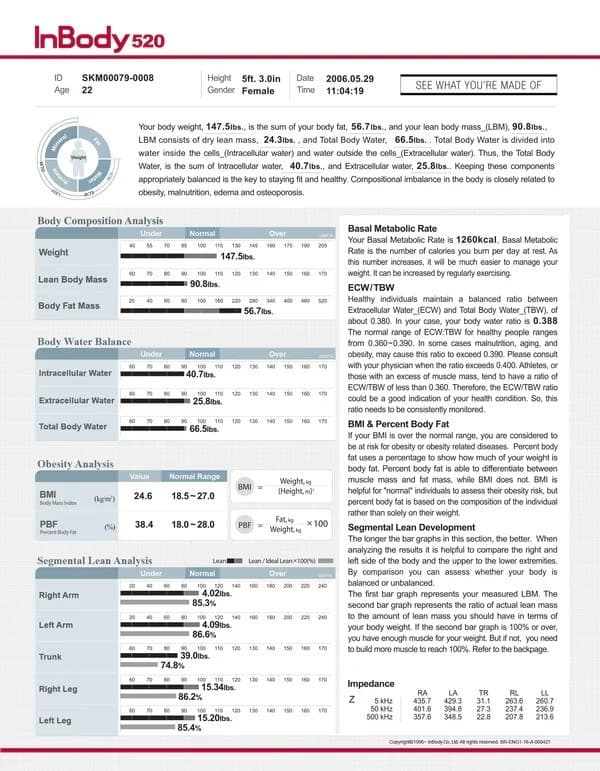
InBody had put body composition analyzers on busy gym floors, and they still sat idle.
The only pattern that reliably moved usage was group fitness challengesTrainer-led programs where members compete on body composition goals over a set period, scanning on InBody devices to track progress., when trainers personally walked members through a scan. That same workflow, managed in spreadsheets, was burning trainers out.
Research
300+ members. Almost no one scanned alone.
I spent three months embedded at Gold's Gym, observing peak hours across 6 SoCal locations and interviewing 15 trainers.
95%
Did not use the device
5% used with trainers during group trainings
Members
Felt uncomfortable scanning themselves in public and could not interpret the data without guidance.
Trainers
Wanted to run challenges, but recording results in Excel added roughly 30% to their daily workload, so most stopped.
Insight
To get members using the device, we had to get trainers on board first
Three things kept the loop stuck:
Member Accessibility Barrier
Members struggled to interpret the data without trainer guidance, creating dependency on already-busy trainers.
Time-consuming manual result management
Recording results in Excel increased daily workload by approximately 30%.

Low Motivation
The operational challenges caused trainer engagement to drop, diminishing use of body composition data.
Opportunity
Make device data feel like a benefit in trainers’ workflow
Ideation
How can we make fitness challenge more rewarding?
Trainers didn't need just another dashboard to learn.
They needed a tool that made them feel like strategic partners, not administrators.
Automated record-keeping reduced manual effort, but trainers needed a reason to initiate the process in the first place.
Design Direction
From administrators to expedition partners
We treated trainers as partners. Their impact should be easy to see, and tied to what members actually do.
Solution
Automation that motivates, not just manages
Challenge Management
Challenge Management
Trainers type a natural language prompt and the AI generates a structured schedule instantly. Setup dropped from 5 minutes to 20 seconds.
AI Challenge Creator
AI Challenge Creator
Rankings tied to Member Retention Rate, not activity alone. Gives trainers a direct line between effort and income stability.
Real-time Progress Dashboard
Real-time Progress Dashboard
Weight change, body fat %, and scan frequency at a glance. No Excel. Saves 20+ minutes per trainer per week.
Proactive Coaching View
Proactive Coaching View
Historical health data and live challenge performance in one view. Trainers can identify and respond to a member's needs before they disengage.
Design System
One system across four platforms
Led the development of a cross-platform design system covering TV, kiosk, app, and web products.
Introduced a color token systemNamed color variables (e.g. primary/100–900) shared across TV, kiosk, app, and web so the same semantic color maps consistently in code and design. to standardize colors across all platforms. Proposed a systematic naming convention for developers to reduce handoff time and improve workflow efficiency.
Results
Scaled nationally
InBody USA decided to scale the product nationally after the MVP. Fitness Challenge operational efficiency increased by 25%. Challenge setup time dropped by 93%. A/B testing validated the most effective feedback mechanisms for trainer engagement.
Learnings & Impact
This experience sharpened my design and leadership skills with AI!
Balancing company AI goals with user literacy
InBody wanted AI features to collect richer user data. Bridging business goals with users’ comfort around AI helped us shape a solution people could actually trust and use.
Designing for the people who run the gym
I started with InBody’s business needs. Gym staff showed me that taking care of the people in the room creates value for trainers, members, and the business.
Designer as Bridge Builder
Co-design sessions with developers and PMs taught me to translate field insights into actionable solutions. We bridge user needs with technical implementation.
Explore other projects