

Connecting Visitors and Locals in Depopulating Rural Korea Through AR
WHY THIS MATTERS
MORE WAYS TO EXPLORE
ROLE
Product Design Lead
End-to-end design of feature
Research-driven product design in community-based systems
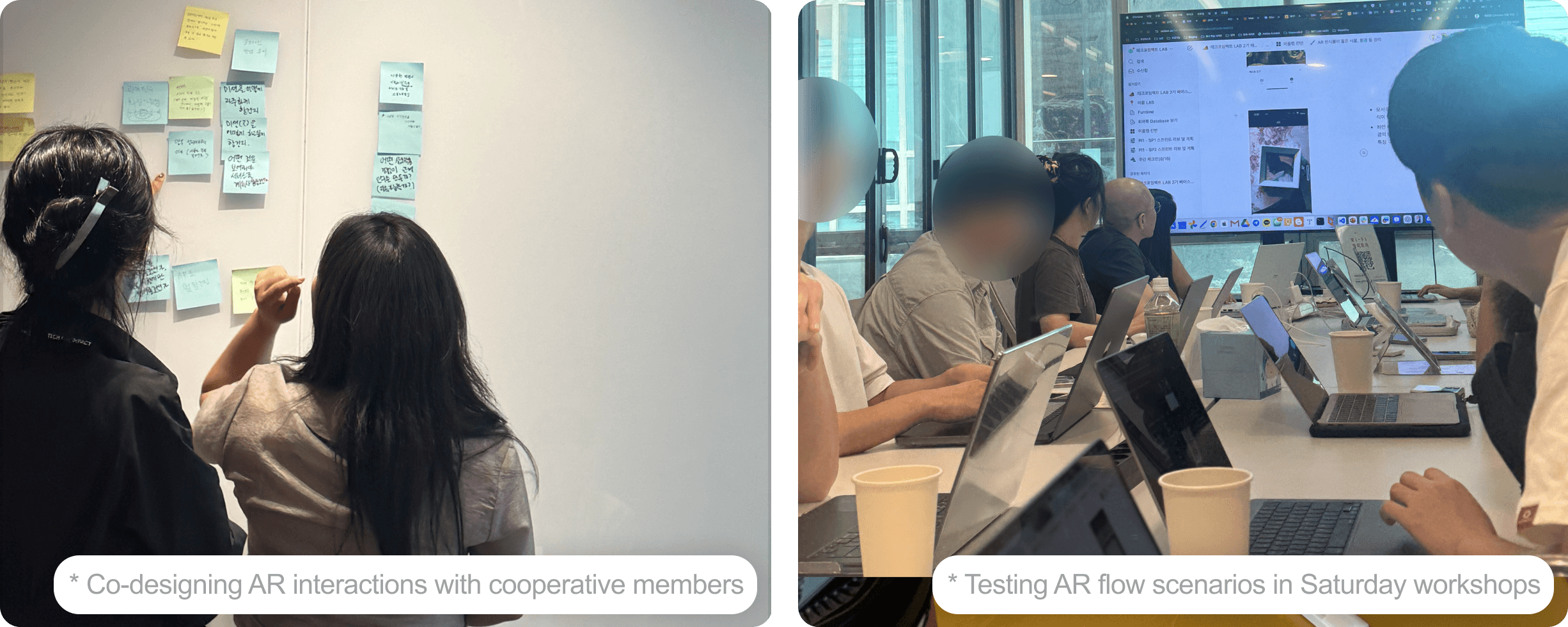
Co-Design
UIUX & Character Design
Prototyping
TEAM
Lab Director Local cooperative members (Cheong pung) 3 Product Managers 3 Product Designers 4 Front-end Engineers 3 Back-end Engineers
DURATION
Jul 2025 - Present
PROBLEM
Young People Leaving, New Connections Needed
Ganghwa Island, where 40% of residents are elderly, faces South Korea's rural depopulation crisis. The government built bridges and landmarks. Tourists came, took photos, and left. No one continuted to visit this region.
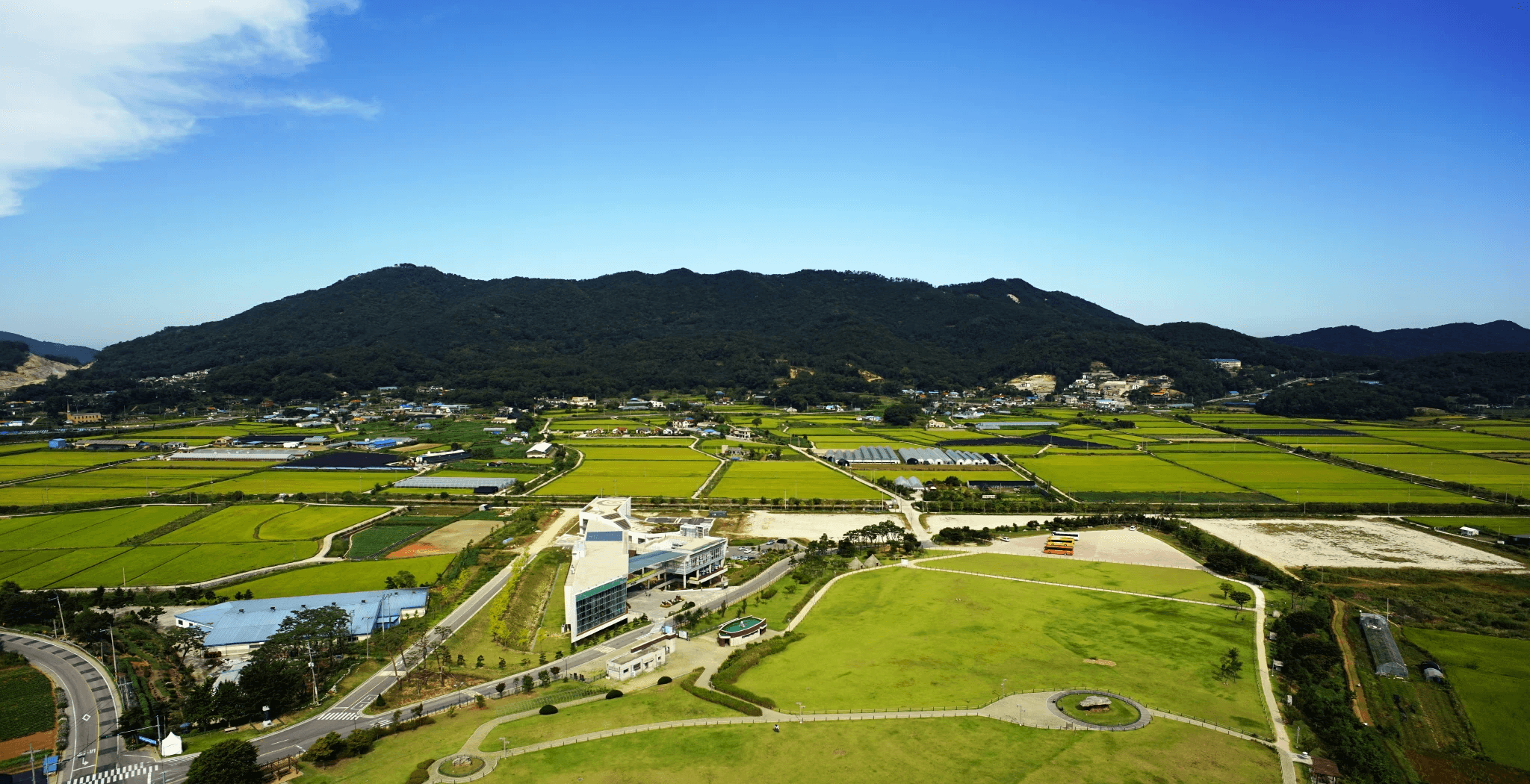
A quiet but charming local place, Ganghwa Island. [Source]
RESEARCH
Identifying the Current Gaps
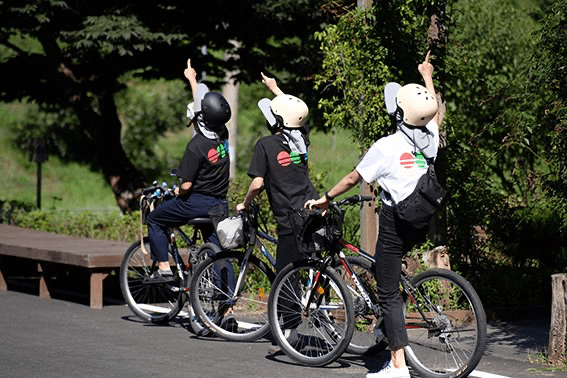
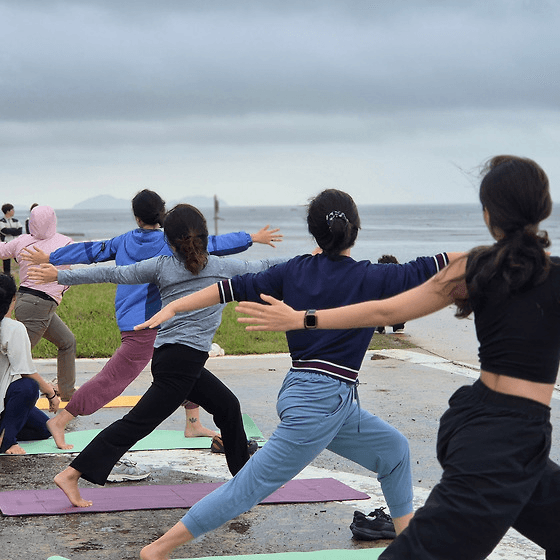
As a visitor myself, I had already experienced their local cooking class before joining the team.
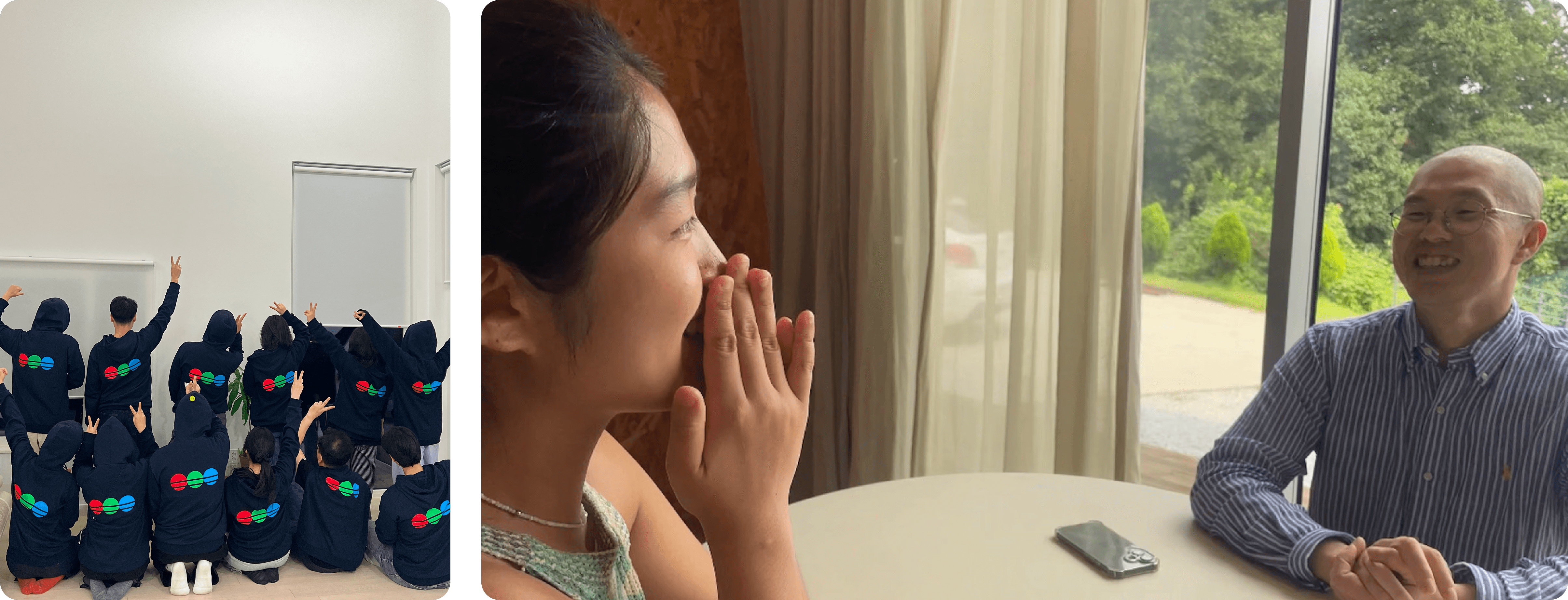
Our team stayed at the cooperative's motel for 3 days, conducting ethnographic observation and semi-structured interviews with locals, visitors, and local cooperative staffs.
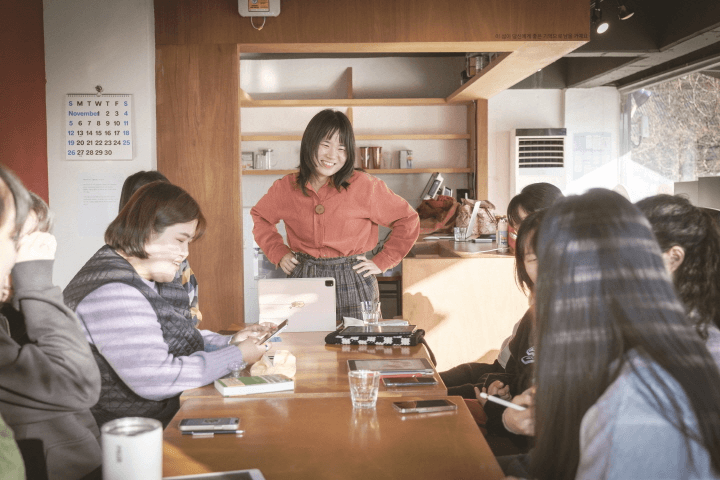
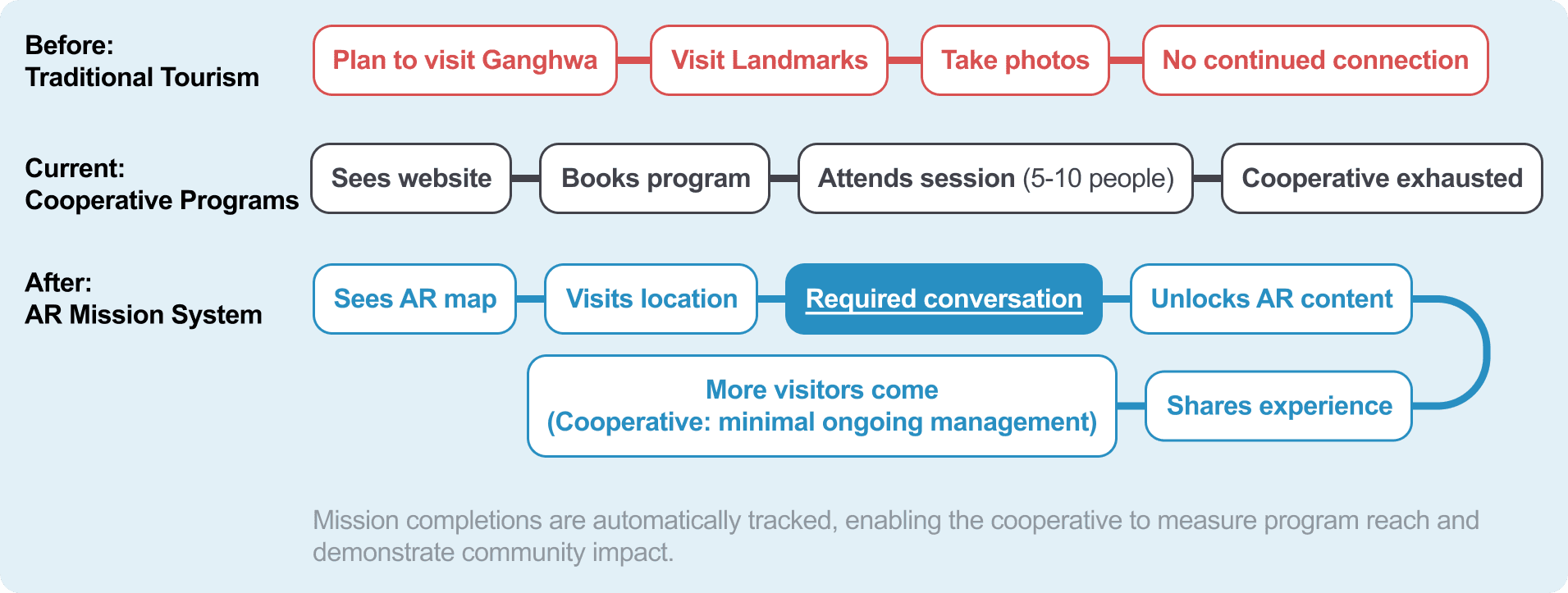
Cultural programs showed promise, but lacked scalability
The local cooperative 'Cheongpung' discovered that only human connection creates the repeat engagement that sustains rural economies.
Their cultural programs succeeded in building these connections, yet lacked the scalability and measurable impact that technology could provide.
DEFINE
Three disconnects
Visitors still felt superficial:
"Openings for the programs are limited. I wanted to talk to locals but didn't know how to start."
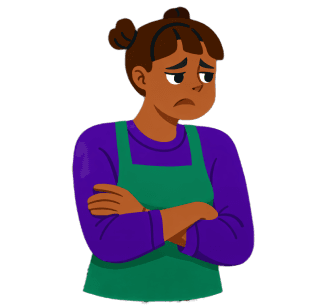
Locals felt underutilized:
"Tourists photograph our shops but rarely engage with us."

The cooperative felt limited:
"We need tech to scale the programs and measure the impact."
Persona
I analyzed the cooperative's program data, visitors' online reviews, card transaction demographics, and interview insights to create personas.
Visitor

Naru Kim
32 y.o / Female
Goal
Explore the region with spontaneous, playful ways without rigid schedules
Pain Points
Passive information & lack of entry points
Needs
Light but meaningful social connections
Experiences that feel locally rooted, not tourist-facing
Local Business Owner

Hyunjin Lim
36 y.o / Female
A restaurant owner living in Ganghwa Island
Has a good relationship with the cooperative
Goal
Pain Points
Tourists observe but don’t engage
Needs
Simple, non-intrusive tools that don't require tech expertise or extra time
A sustainable flow of engaged visitors who appreciate local food culture
Cooperative
Jihun Lee
40 y.o / Male
Moved to Ganghwa 5 years ago to work with the cooperative
Manages cultural programs for community-driven tourism
Goal
Pain Points
Manual ops, no metrics, hard to scale
Needs
Technology that reduces administrative burden without requiring tech expertise
Clear metrics to demonstrate program impact to stakeholders
Research Question
How might we scale local programs while preserving human connection and measuring impact?
Design Direction
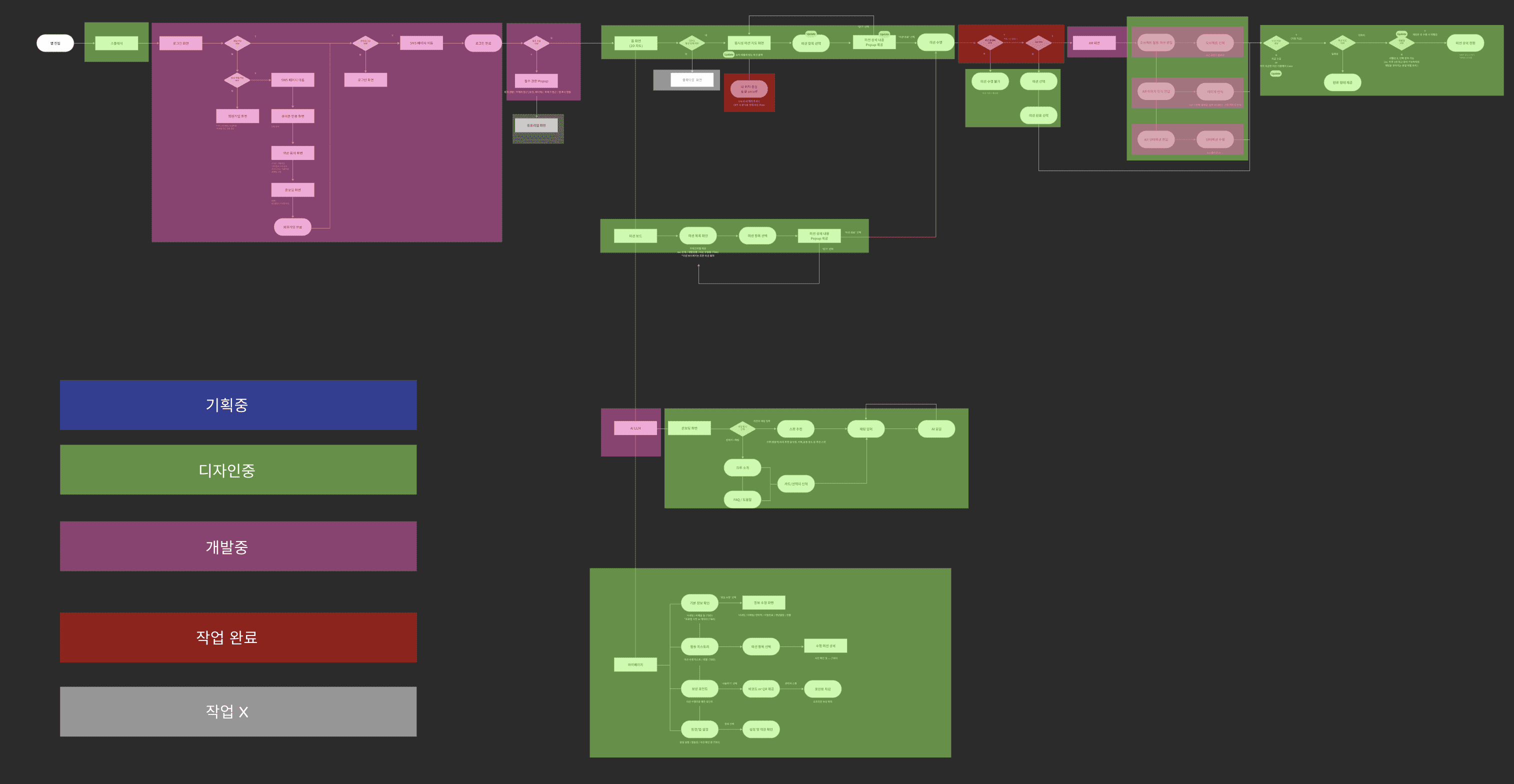
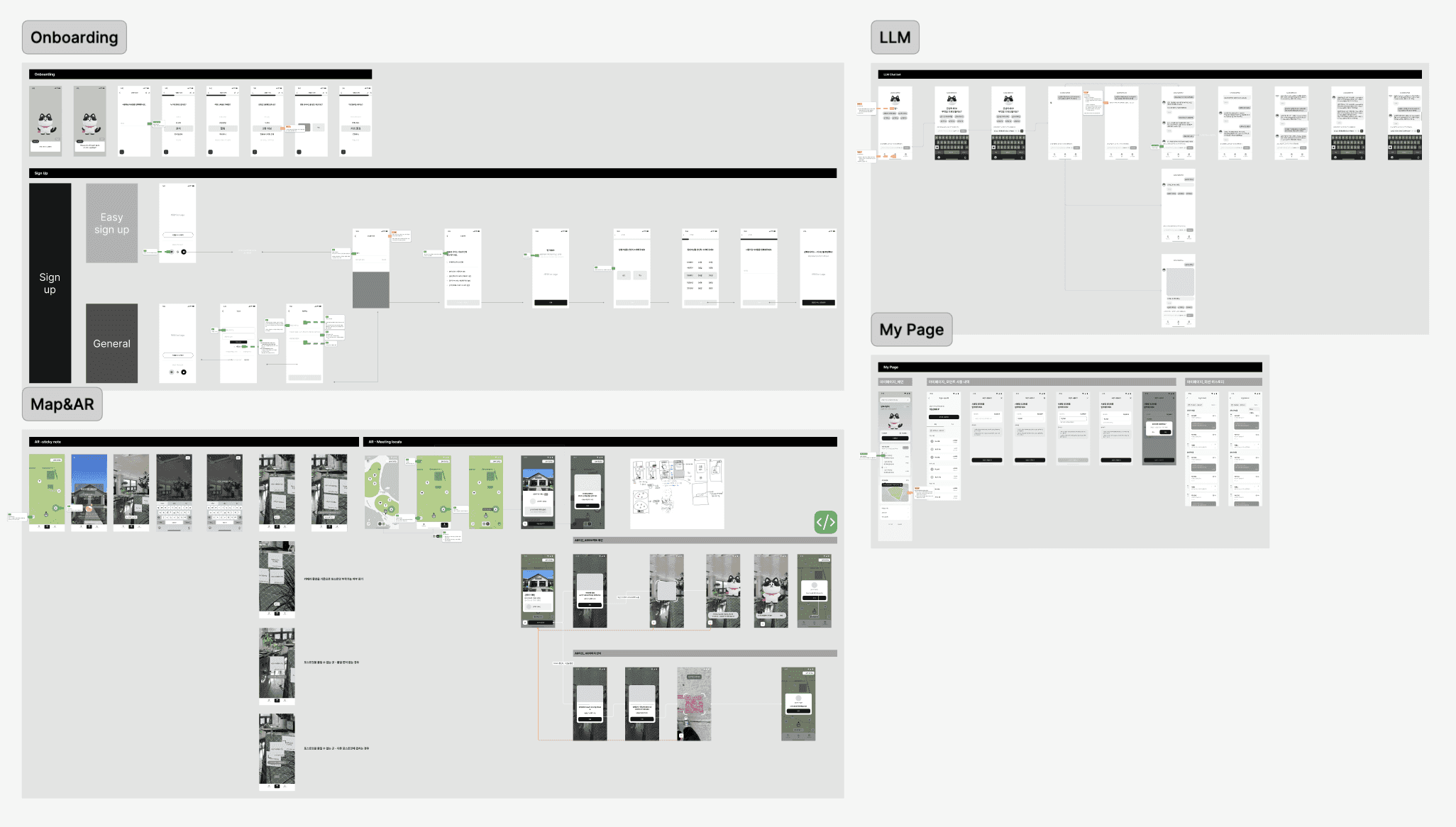
Create a scalable and measurable digital experience that encourages real-world interactions between visitors and locals.

SOLUTION
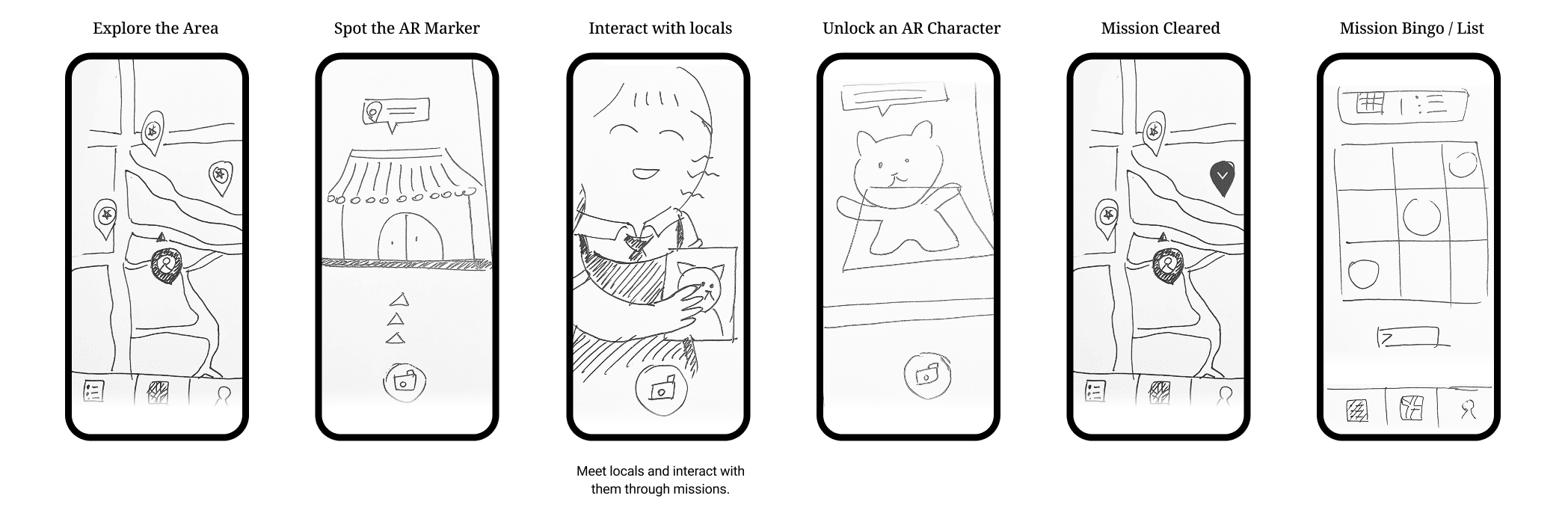
Designing emotional connections to place through conversations with locals
We realized sustainable tourism isn't about giving people information. It's about creating situations where they have to talk to each other. Visitors can see mission locations on the map, but to complete them, they must engage with locals directly.
Welcome to Ganghwa Island!
I'm Sunmu, a guide of this island.





* I designed the character in 2D and adapted it into a 3D-rendered image using Nano Banana (Imagery AI).

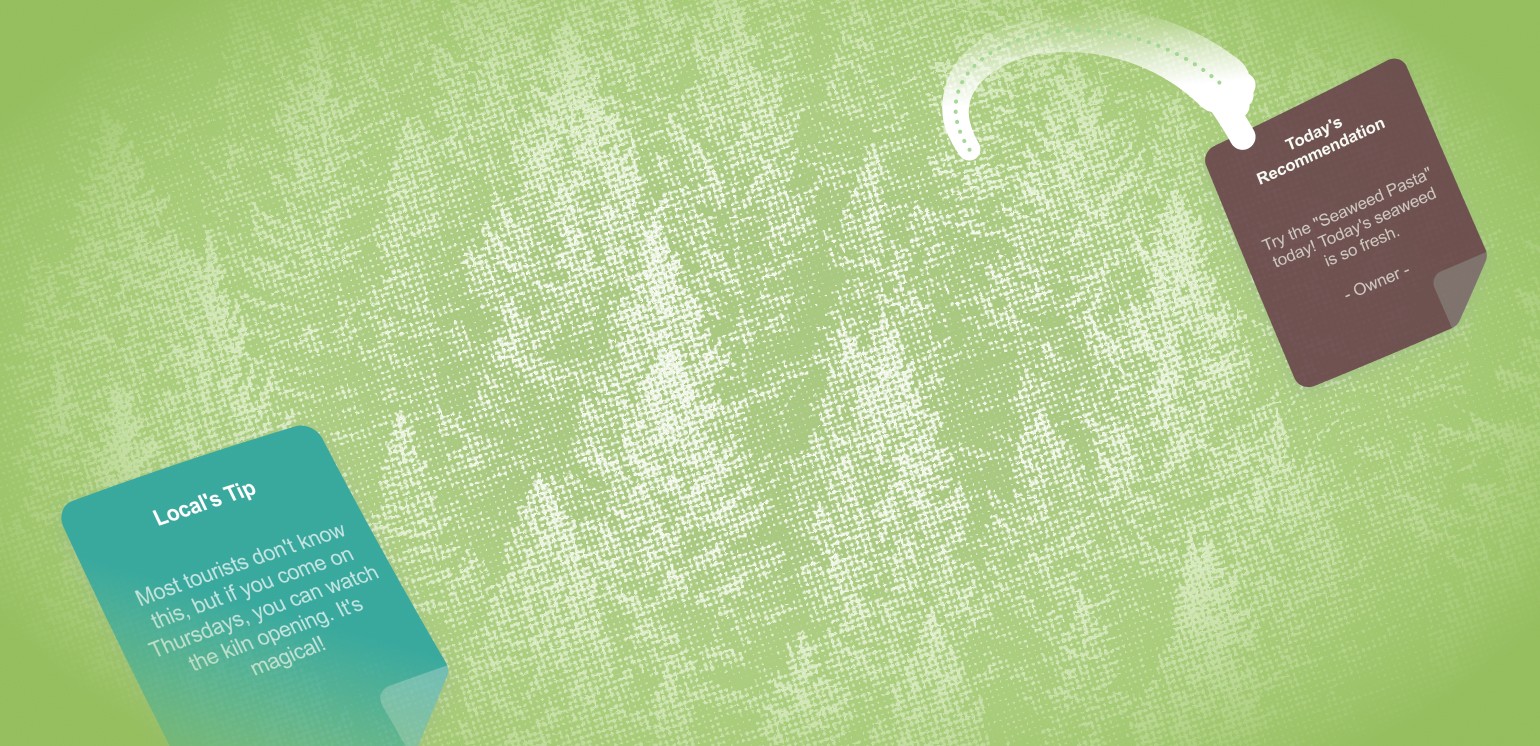
Discover local stories on the map
Visitors discover local missions on the map, connecting them with locals at specific locations.

Start a mission which tailored by local cooperatives!
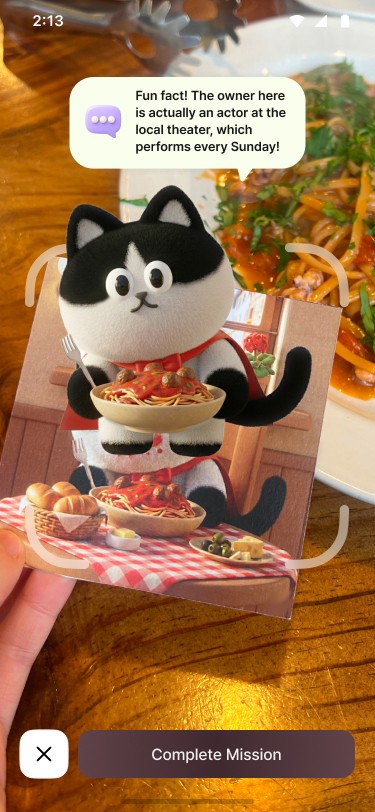
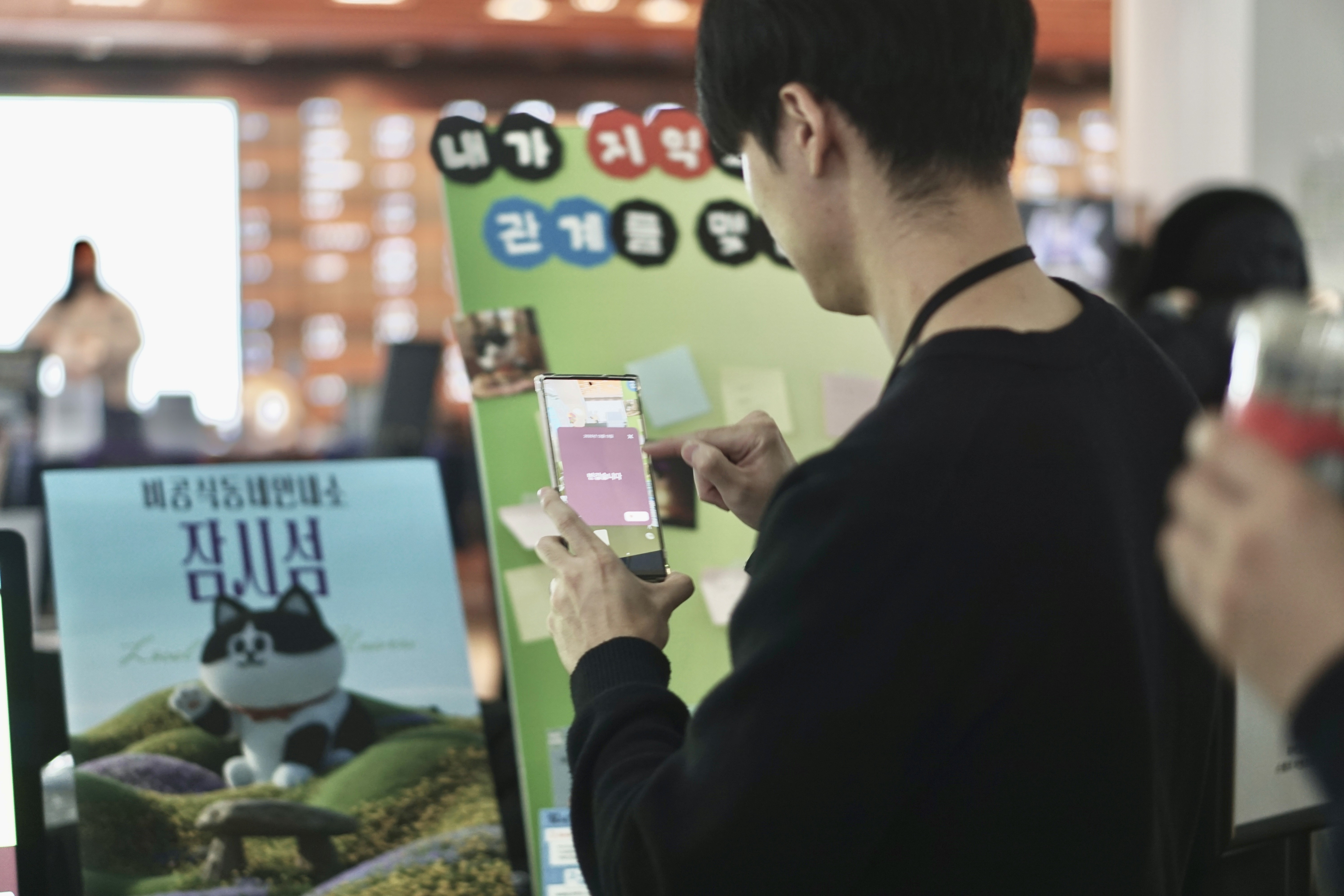
AR missions integrating locals as active participants


AI Chatbot as "Curiosity Instigator"
The chatbot helps visitors to understand Ganghwa in before their visit, asking trip planning. Also, on the island, it provides local stories but intentionally offers minimal details and encourages visitors to ask to locals directly.
(e.g., if you want to learn more about 'Tobeak' ask her about her journey!)

USER TESTING
Sustaining engagement through local interaction
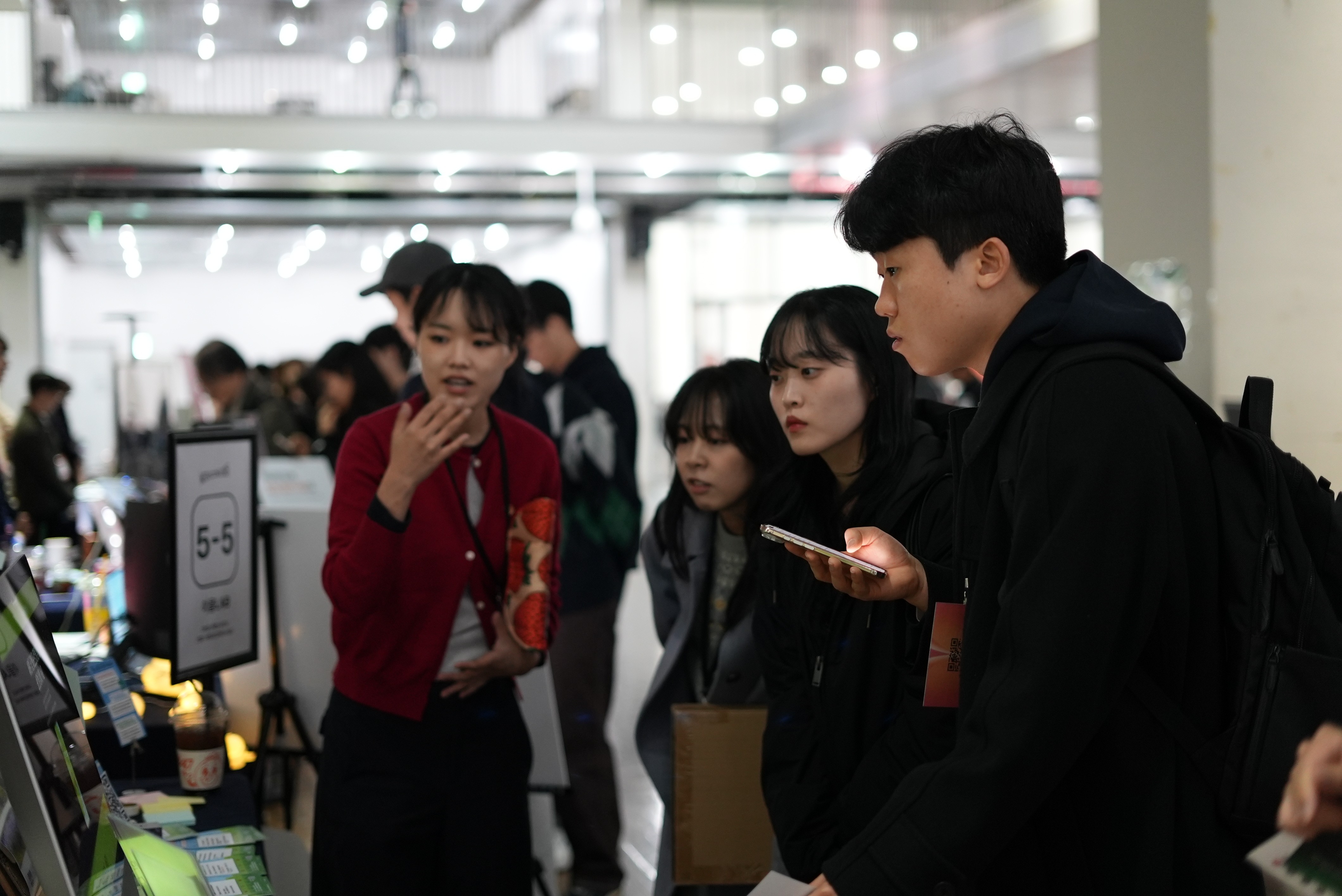
User testing showed that the system worked effectively, and we saw spontaneous, meaningful interactions between visitors and locals, resulting in an average conversation duration of 7 minutes per interaction.
TECHNICAL CHALLENGES & SOLUTIONS
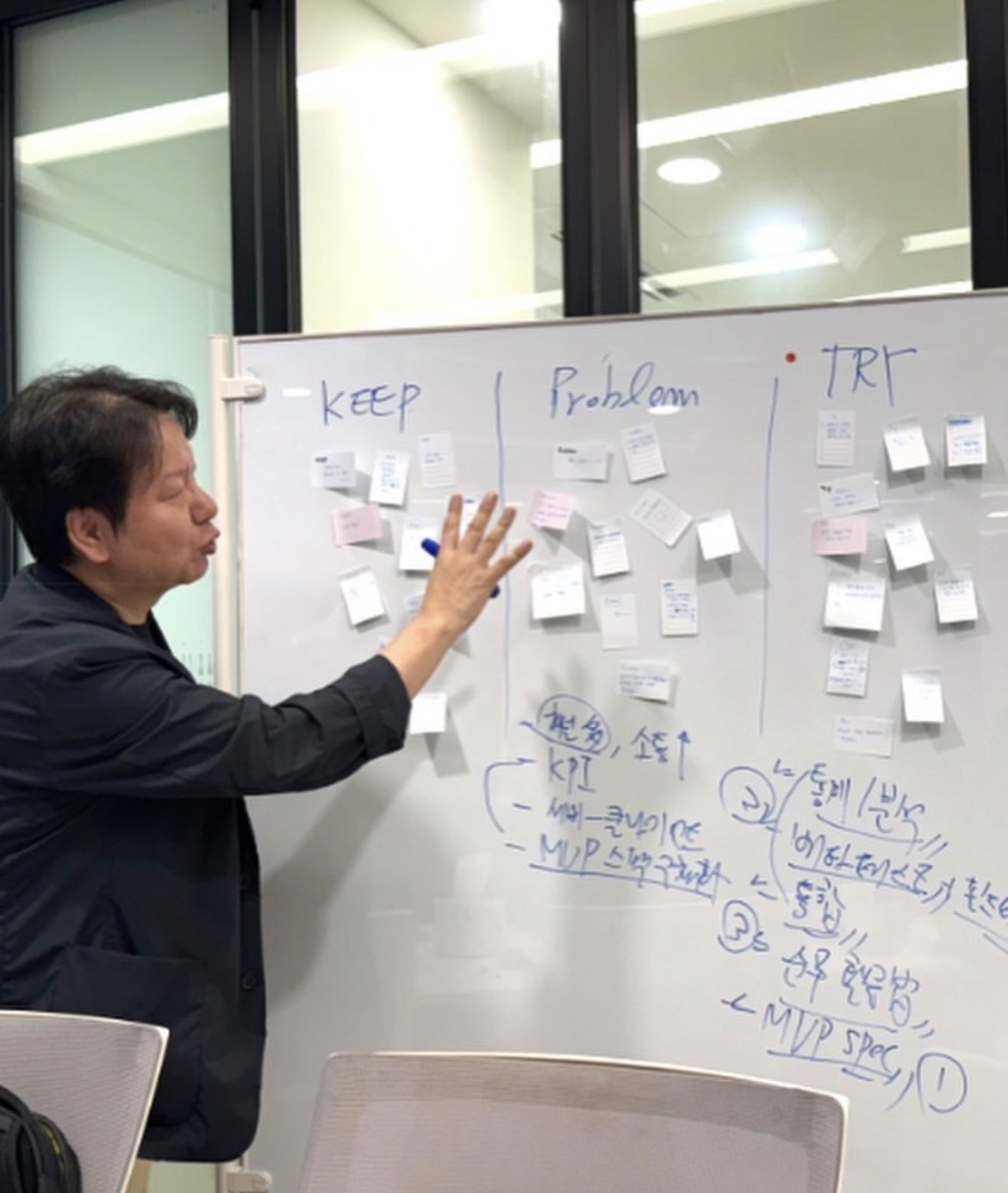
Discovering issues and solve it through conversations
Challenge 1
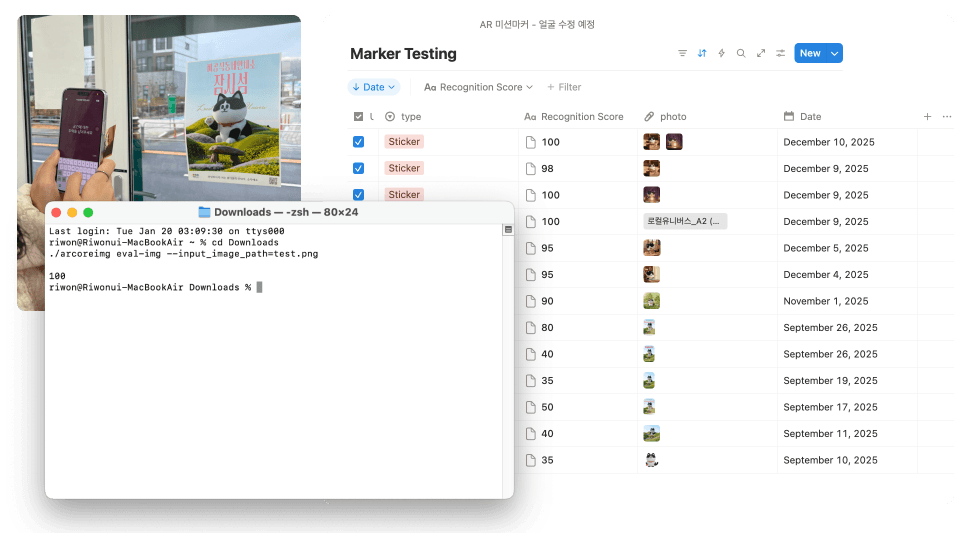
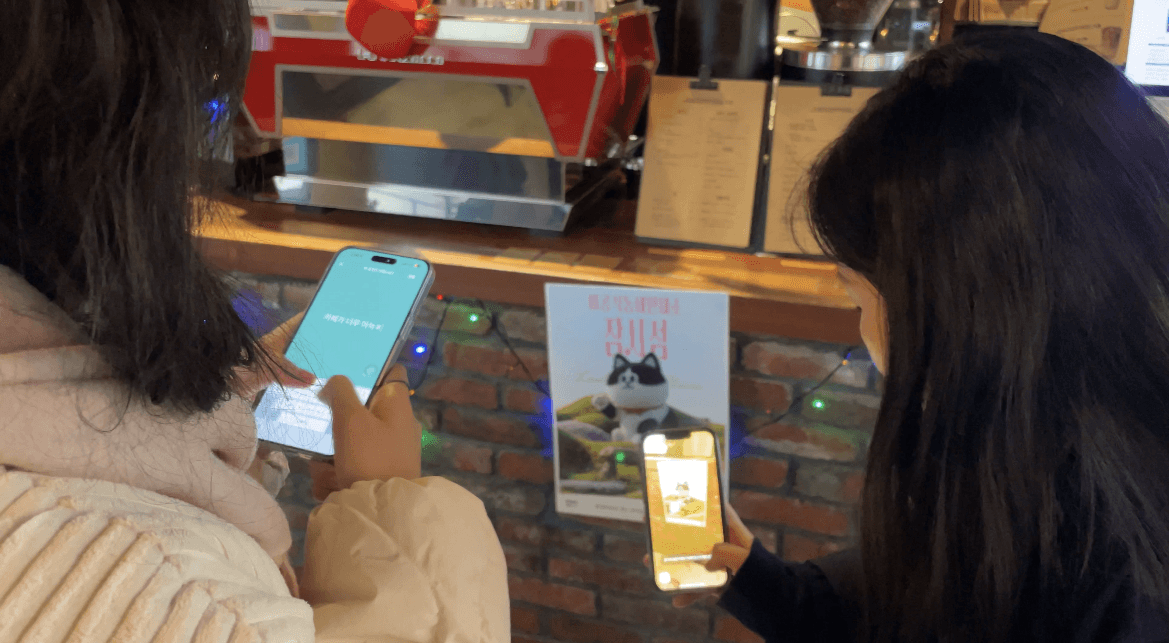
AR Marker Recognition
By designing high-contrast, weather-resistant markers, the average recognition accuracy achieved 98%.
Challenge 2
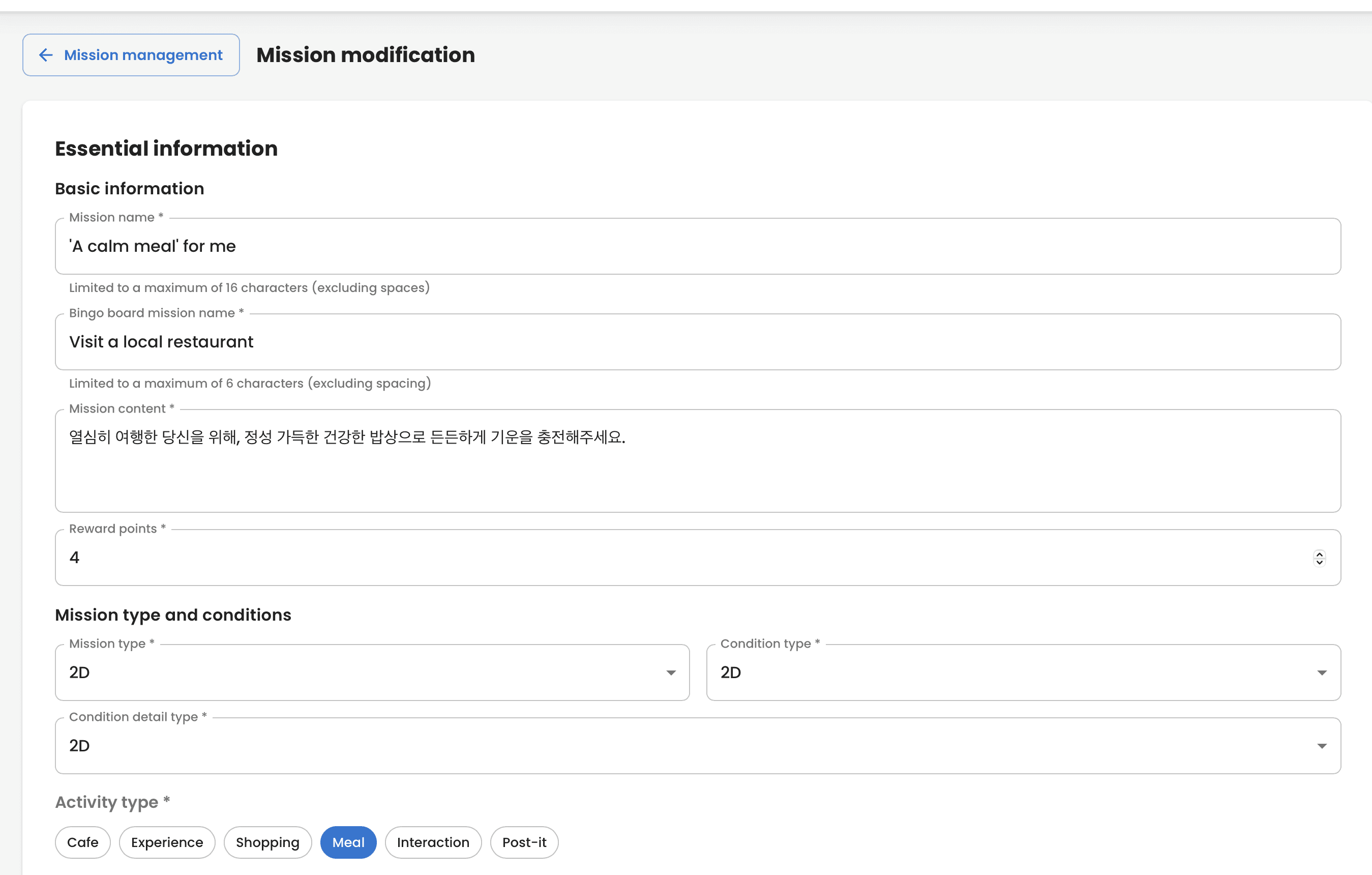
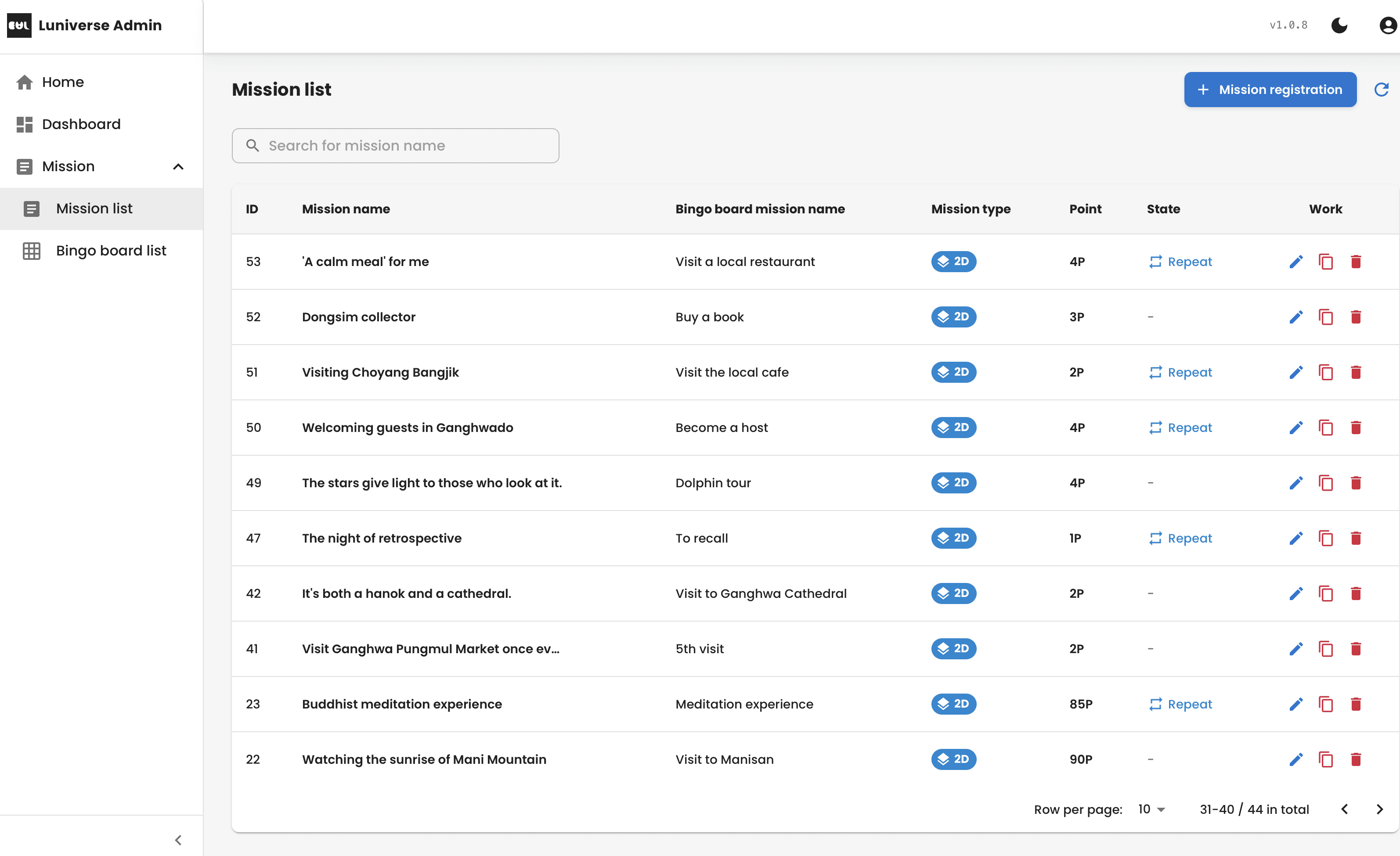
Complex Mission management
By Minimizing mission options with the local cooperative, mission creation efficiency increased compared to the prior system.
Challenge 3
Preventing Host Fatigue
By creating dynamic mission rotation system & assigning high-engagement missions to cooperative members, sustainable ecosystem is expected for the long term.
© 2026 RIWON KWON. All rights reserved.