Local Universe
To gather young people who would form a relationship with Ganghwa, a region at risk of disappearing, I made an AR mission map that connects visitors and locals.
- Role
- Led product design from research through prototyping: participatory design, UI, character, and the build
- Team
- Lab Director, Cheongpung cooperative, 3 PMs, 3 designers, 7 engineers
- Year
- 2025–2026
- Status
- Live on App Store
The core first
Problem
Rural depopulation left Ganghwa with elderly locals and tourists who only pass through. No lasting connection.
Strategy
Six months of participatory design with a local cooperative. AR that starts conversations instead of replacing them.
Impact
- 7 min average conversations (3× tourism baseline)
- $575/mo expected mission revenue
- 44% faster mission creation
Overview
Connecting visitors and locals
Local Universe is an AR experience that helps visitors and locals meaningfully connect. We spent six months on Ganghwa Island, running 24 workshops with a local cooperative to explore how technology can support an aging community without replacing human relationships.
Problem
Young people are leaving. New connections are needed.
Ganghwa Island, where 40% of residents are elderly, sits at the center of South Korea's rural depopulation crisis. The government built bridges and landmarks. Tourists came, took photos, and left. No one continued to visit.
Research
Three disconnects emerged
Our team stayed at the cooperative's motel for three days, conducting ethnographic observation and semi-structured interviews with locals, visitors, and cooperative staff.
Visitors
Felt superficial. Openings for programs were limited, and they wanted to talk to locals but didn't know how to start.
Locals
Felt underutilized. Tourists photographed shops but rarely engaged.
Cooperative
Felt limited. They needed a way to run more programs and see whether they were working.
I want to create a new form of tourism, where tourists live alongside locals, not just pass through.
Research Question
How might we scale local programs while preserving human connection and measuring impact?
Design Direction
Create something digital we can grow and keep score of, that gets visitors and locals talking in real life.
Process
AR from information to conversation starter
Visitors can see mission locations on the map, but to complete them, they must engage with locals directly.
Initial Concept
AR information panels showing heritage content at each location. They attracted visitors to sites but interactions remained superficial. Visitors could Google the same information in seconds without talking to anyone.
New Idea
AR shouldn't provide all the answers. It should create gaps that only locals can fill.
Solution
Character, missions, and AI that instigates curiosity
Four interconnected surfaces turn the cooperative's programs into something visitors can discover, complete, and remember, with locals at the center of every mission.
Welcome to Ganghwa Island!
I'm Sunmu, a guide of this island.





* I designed the character in 2D and adapted it into a 3D-rendered image using Nano Banana (Imagery AI).
Sunmu’s look and voice also show up on the street: posters, stickers, and leaflets in Building a Local Experience Through BrandingBrand identity for the same Ganghwa cooperative. The Explore project that sits next to this app.View branding.
Onboarding
Sunmu greets visitors and sets the tone. A local guide who invites them into the island, not a tour bus narrator.
Mission Map
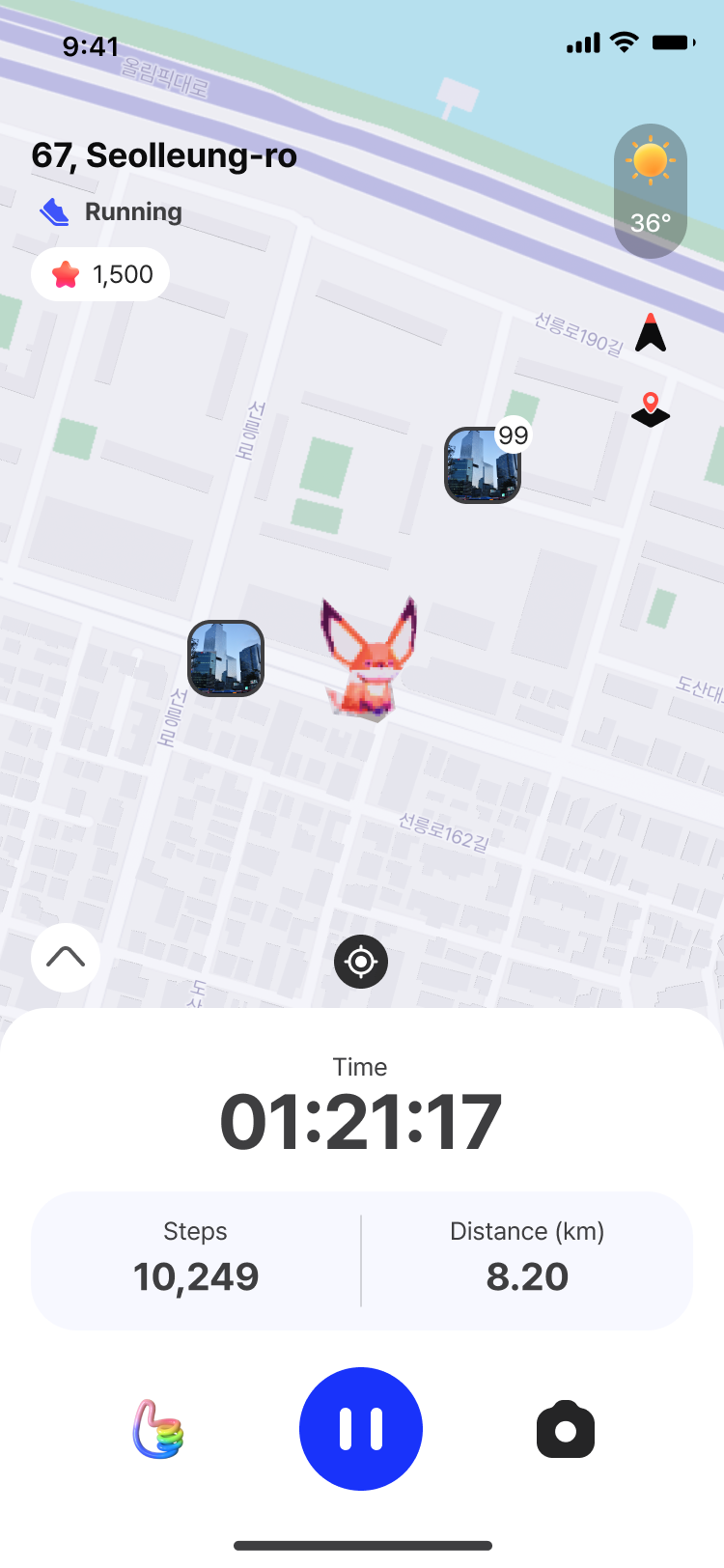
Visitors discover local missions on the map, connecting them with locals at specific locations. Missions are tailored by the local cooperative.
AR Missions
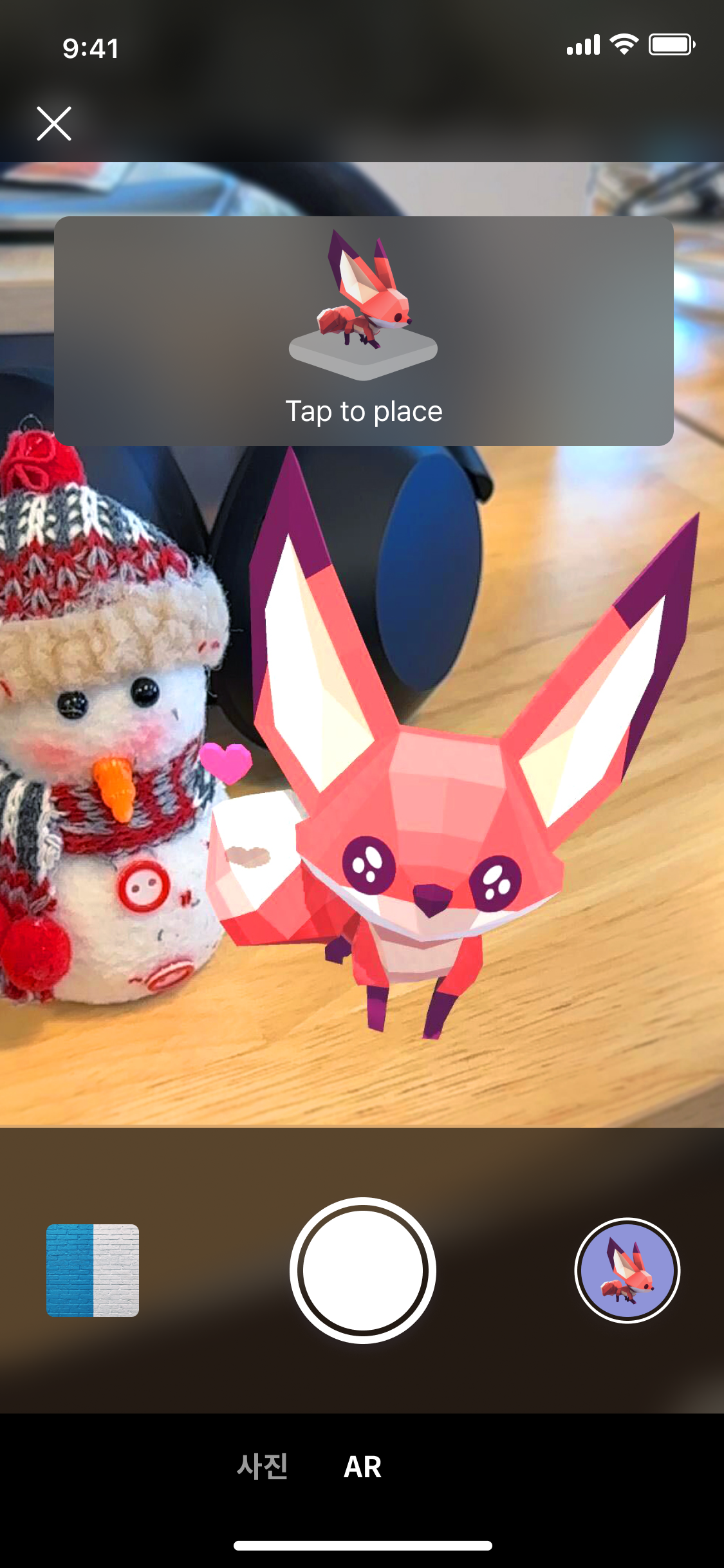
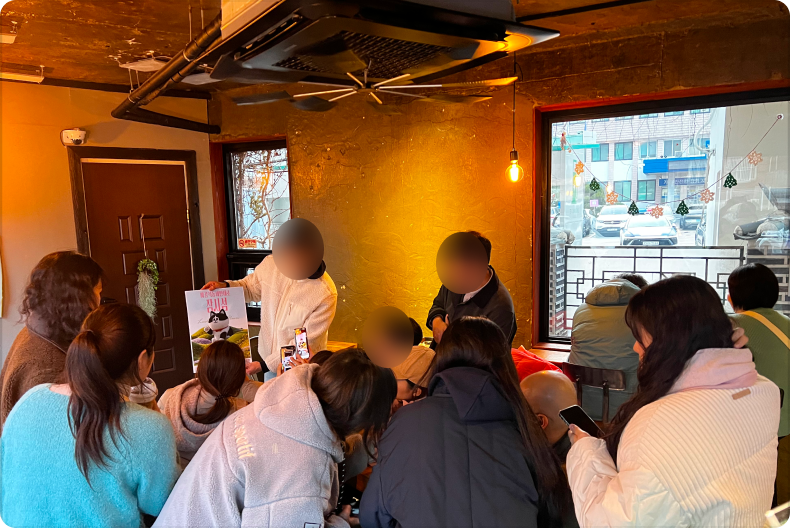
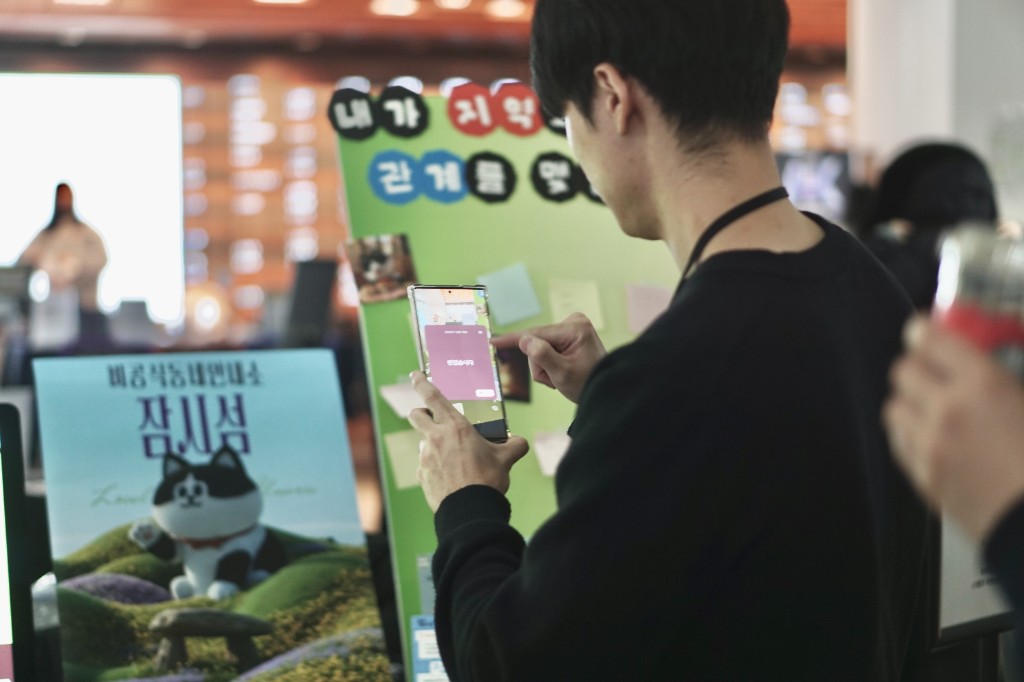
AR integrates locals as active participants. Completing a mission means a real conversation, or leaving a sticky note in space.
AI Chatbot
Acts as a curiosity instigator, not an information provider, offering local stories with intentionally minimal detail and directing visitors to ask locals directly.
Core Flows
Technical Challenges & Solutions
Discovering issues and solve it through conversations.
Challenge 1: AR Marker Recognition
Challenge 1: AR Marker Recognition
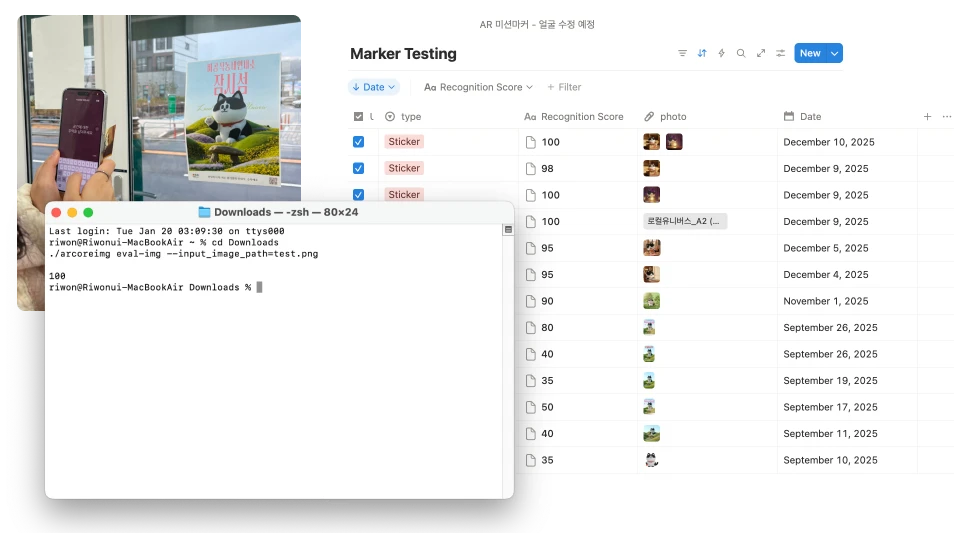
By designing high-contrast, weather-resistant markers, the average recognition accuracy achieved 98%.
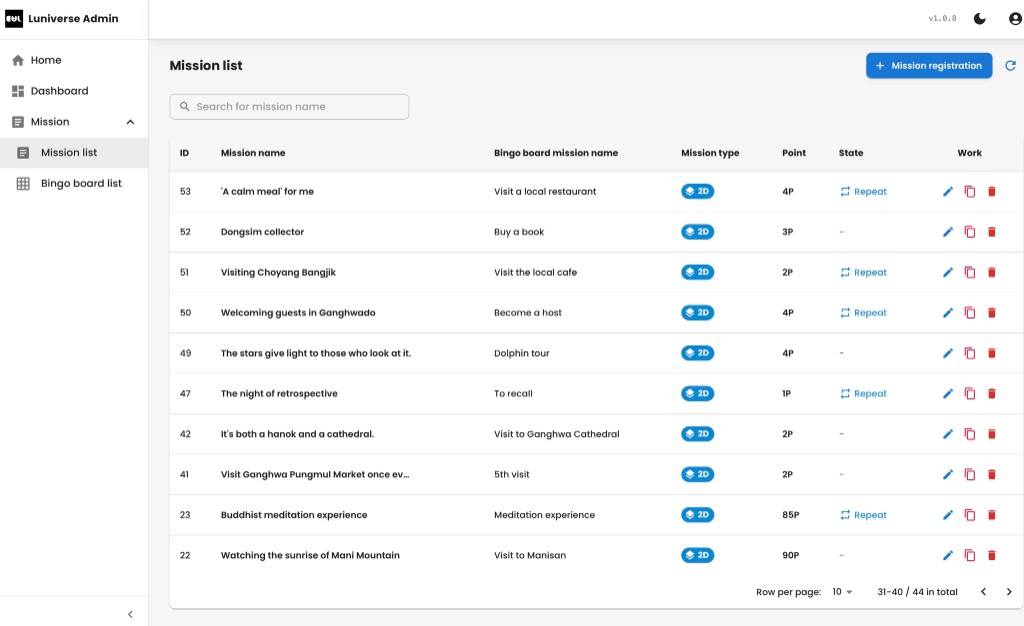
Challenge 2: Complex Mission Management
Challenge 2: Complex Mission Management
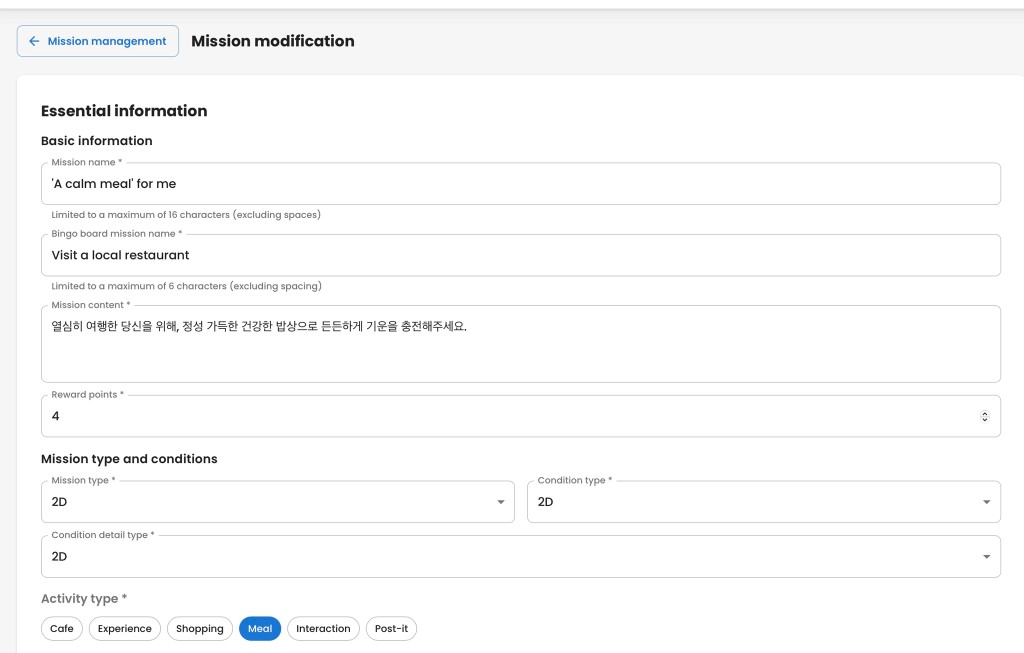
By minimizing mission options with the local cooperative, mission creation efficiency increased compared to the prior system.
Challenge 3: Preventing Host Fatigue
Challenge 3: Preventing Host Fatigue
Missions rotate, and the ones people actually do go to cooperative members. That way the work doesn't pile up on the same few hosts.
Results
1,128 missions cleared. A new kind of local connection
Since March 2026, more than 400 people have visited Ganghwa Island and completed AR missions that connect them with locals. 98% said they were satisfied with the app and those connections, and that they plan to visit the island again this year.
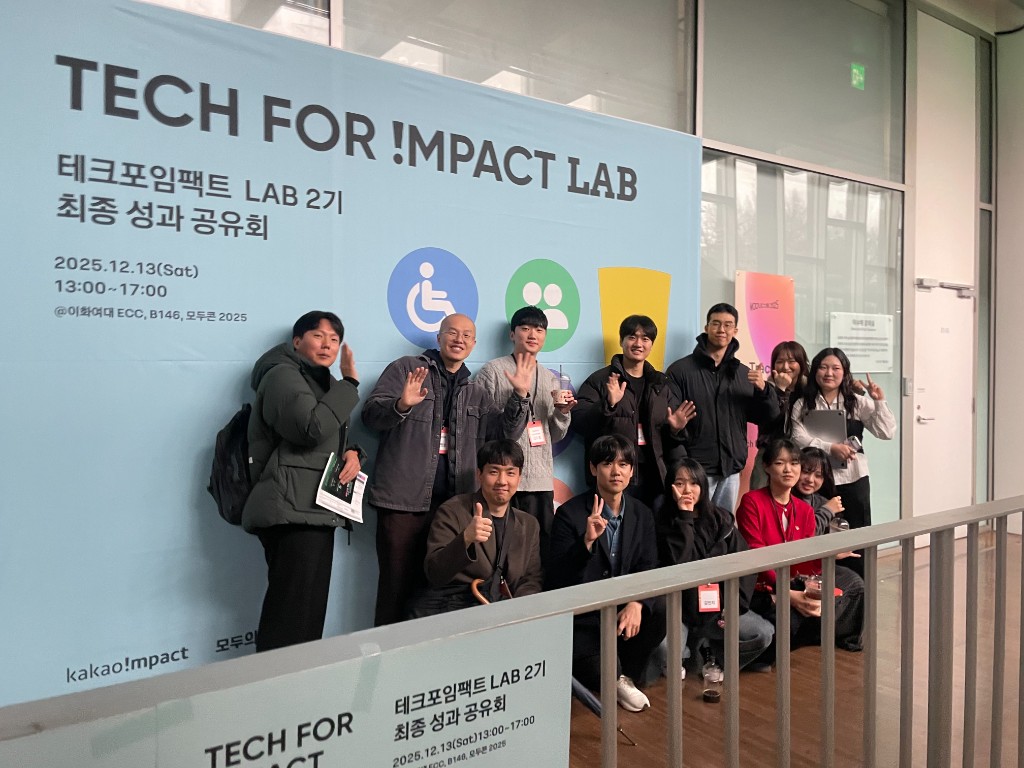
- Kakao Tech for Impact (CSR Program) 2025 cohort
- 90% user satisfaction in prototype testing (n=20)
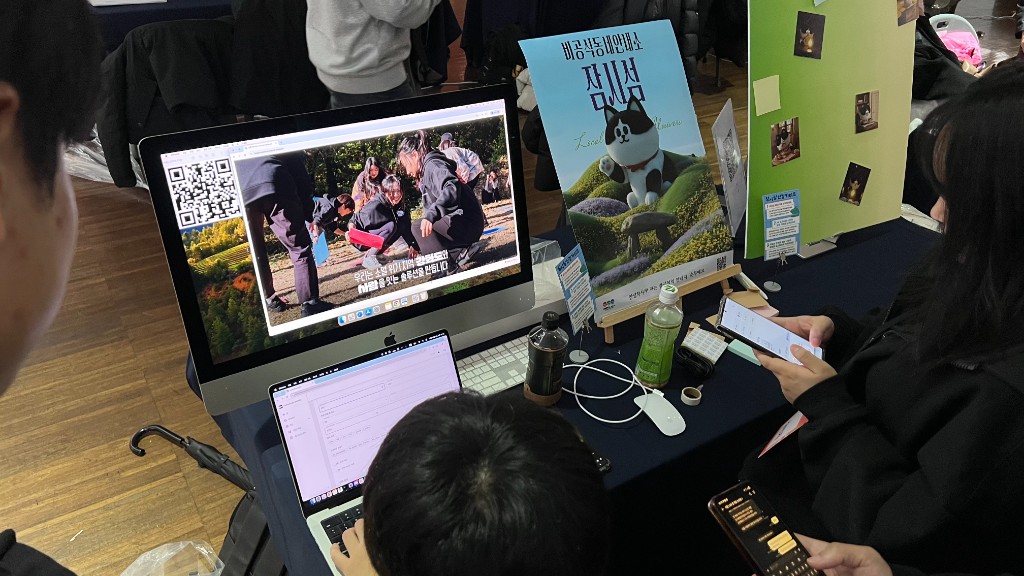
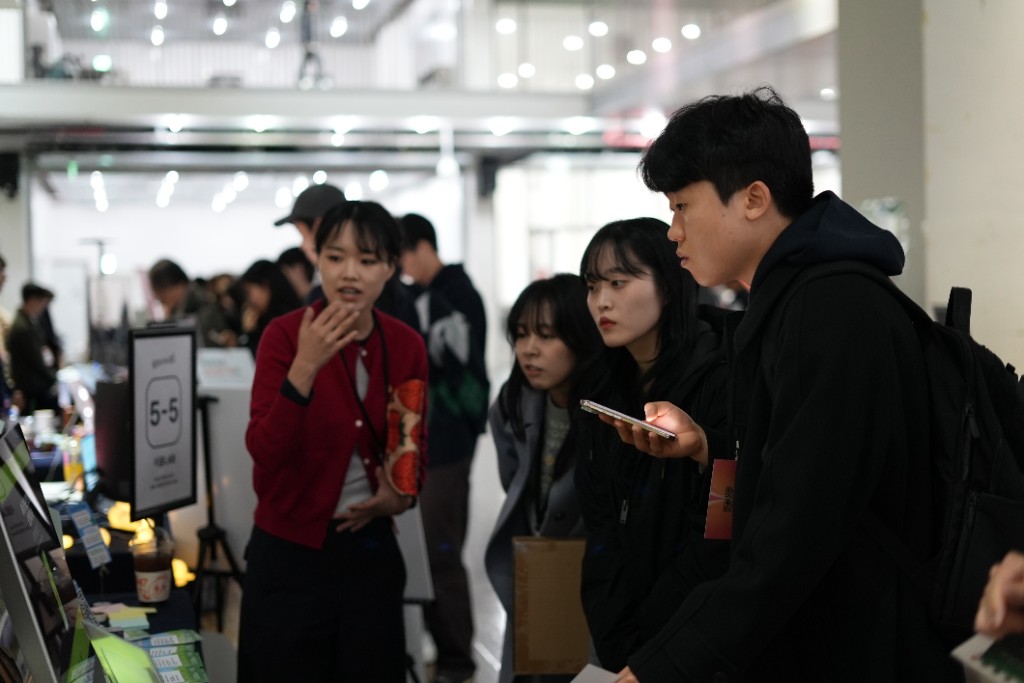
- Presented at Moducon 2025 to 700+ attendees
- Contributed to the cooperative receiving the 2025 Prime Minister's Citation for Regional Revitalization Merit
Learnings & Impact
What six months on Ganghwa taught me about who design is for
The power of designing with the people who live there
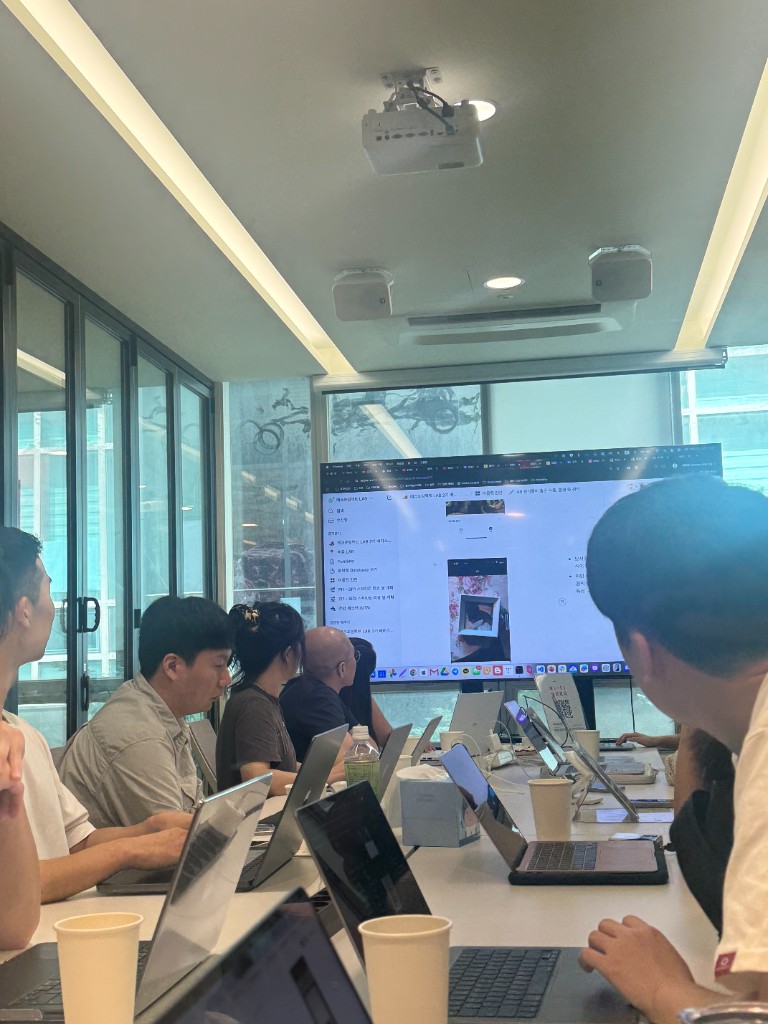
Through weekly workshops with the cooperative, I realized design works best when communities lead. Serving as an intersection between local residents, visitors, and our project team, I learned how to translate their needs, constraints, and accessibility considerations into shared, actionable design directions.
Where are the elderly people in Ganghwa?
We included locals, but older people who know Ganghwa best were often left out because getting around is hard. Next time I will bring them into the work from the start, so the design works for more of the island.
Explore other projects